For busy home cooks juggling work, family, and wellness goals, the hardest part of eating well is how quickly a long day turns into takeout. The core tension is simple: good intentions collide with a kitchen that makes healthy cooking feel like extra effort.
Kitchen renovation impact runs deeper than style, because small design choices quietly steer what gets cooked, what gets skipped, and what gets reached for first. A nutrition-focused kitchen design can support healthy cooking habits that hold up on hectic nights and strengthen long-term wellbeing.
Understanding a Wellness-Supportive Kitchen
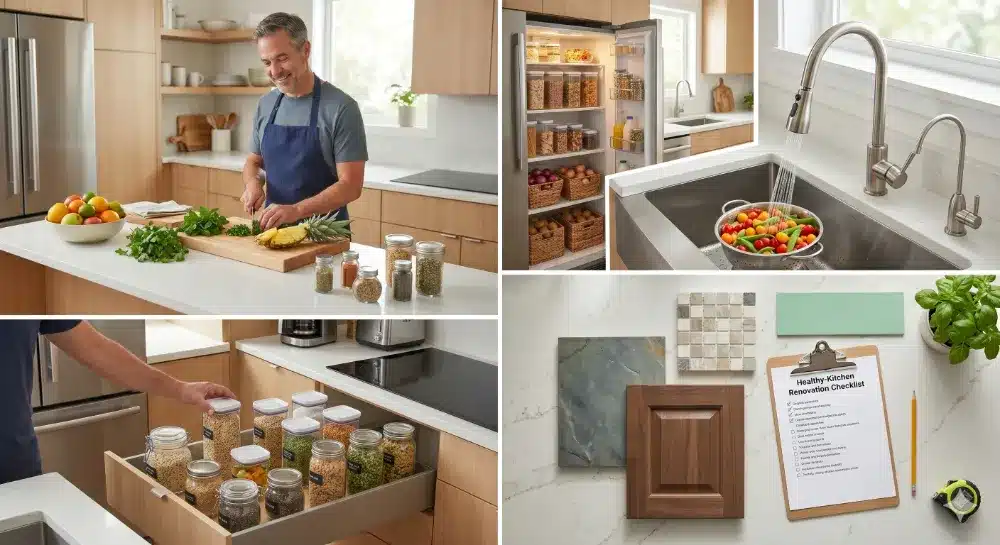
Kitchen design that supports health is a system, not a single upgrade. Kitchen layout optimization reduces friction, appliance selection for health makes nutritious cooking faster, and food storage solutions keep ingredients fresh and visible. Together, they create a healthy and supportive environment that encourages small, repeatable actions you can actually sustain.
This matters because wellness is built on defaults. When your prep zone is easy to reach, your tools cook simply, and your produce stays crisp, you waste less food and rely less on last-minute ordering. You also protect quality through healthier food preservation, so weekday meals start with ingredients that still taste good.
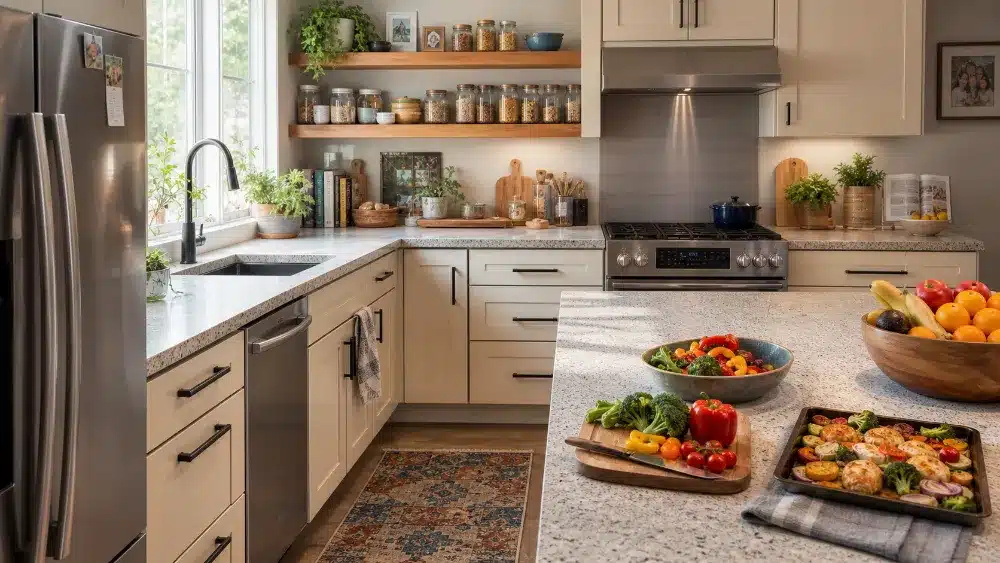
Picture arriving home tired and hungry. A clear counter leads you from fridge to cutting board to stove in a smooth line, while a simple, reliable appliance handles most of the work. Clear containers and labeled bins surface the healthy option first, so the better choice becomes the easiest choice. That same logic starts at the sink, where flow and hygiene make prep feel effortless.
Upgrade Your Sink Setup for Safer Prep and Faster Cleanup
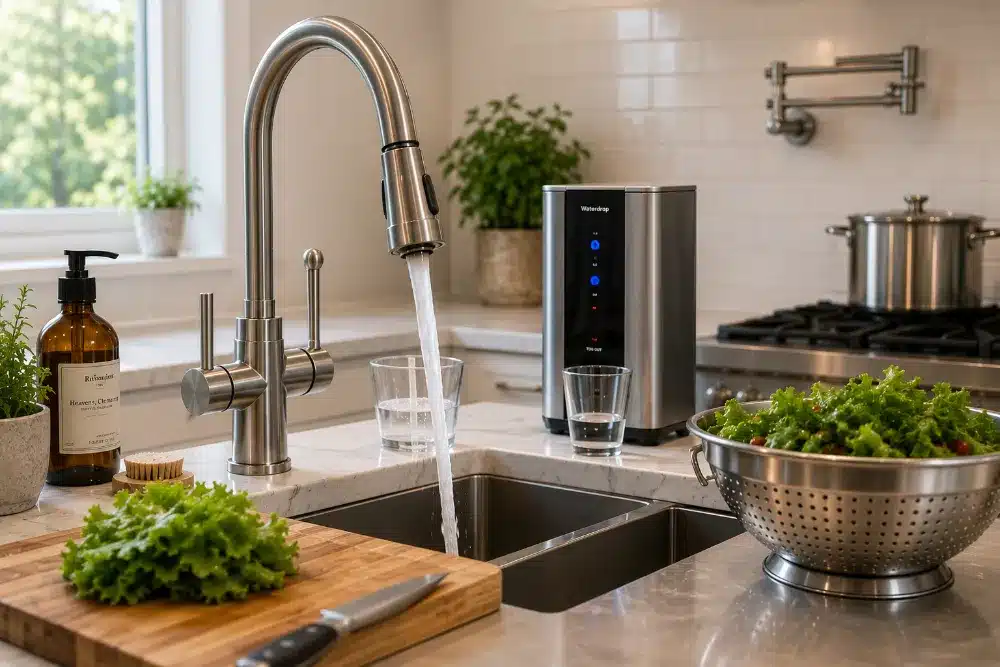
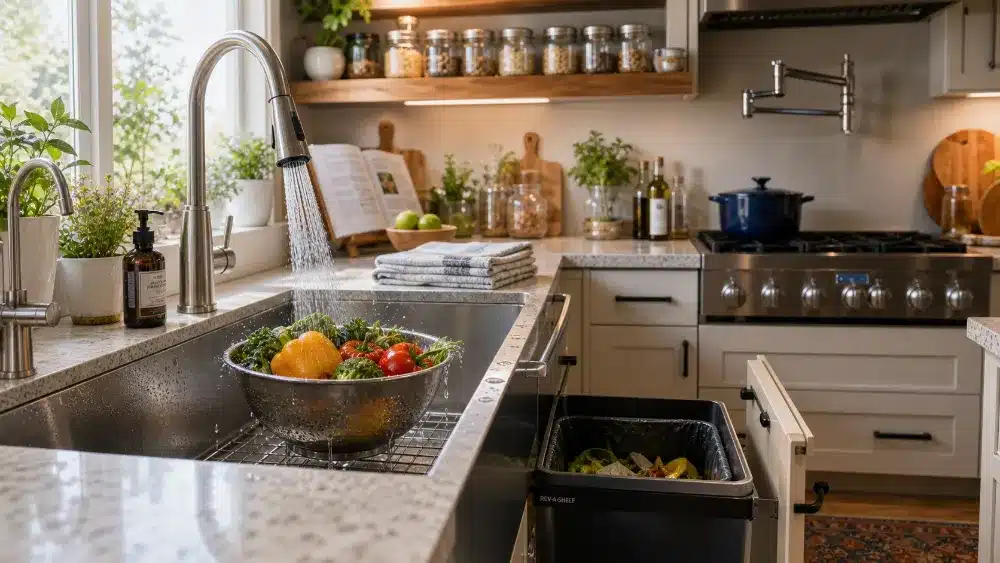
When your kitchen is designed to support healthy routines, the sink area becomes the everyday “hub” where good intentions either stay easy or get derailed. A smart plumbing upgrade can remove friction from food prep and cleanup so you’re more likely to cook nutritious meals consistently. A high-efficiency sink paired with a pull-down sprayer makes it simpler to rinse produce thoroughly, wash hands quickly between tasks, and clear prep messes without slowing down.
Adding a pot filler can also make healthy cooking feel less like a chore by letting you fill large pots right where you cook, reducing back-and-forth trips that can sap momentum.
And upgrading to a water filtration system improves access to clean-tasting water for cooking, washing, and drinking, small conveniences that add up over time.
Because these fixtures affect daily hygiene and performance, it’s worth sourcing professional-grade parts from a reputable supplier; using a trusted plumbing supply resource helps ensure compatibility, durability, and easier repairs when you need them.

Big Tech Accused of AI ‘Greenwashing’

Digital Surveillance is Breaking Activist Mental Health

Sitting for Long Stretches Linked to a Higher Risk of Death From Cancer – Oncologist Answers Questions About the New Study

A Common Tropical Plant Might Help Filter Toxic Microplastics from Your Drinking Water

The Ghost in the Groundwater: Why a Century-Old Cleaning Chemical is the Most Overlooked Threat to Your Brain

Are Parkinson’s Cases Rising Due to Microplastics? Scientists Say “Maybe Yes”
Use This Healthy-Kitchen Renovation Checklist
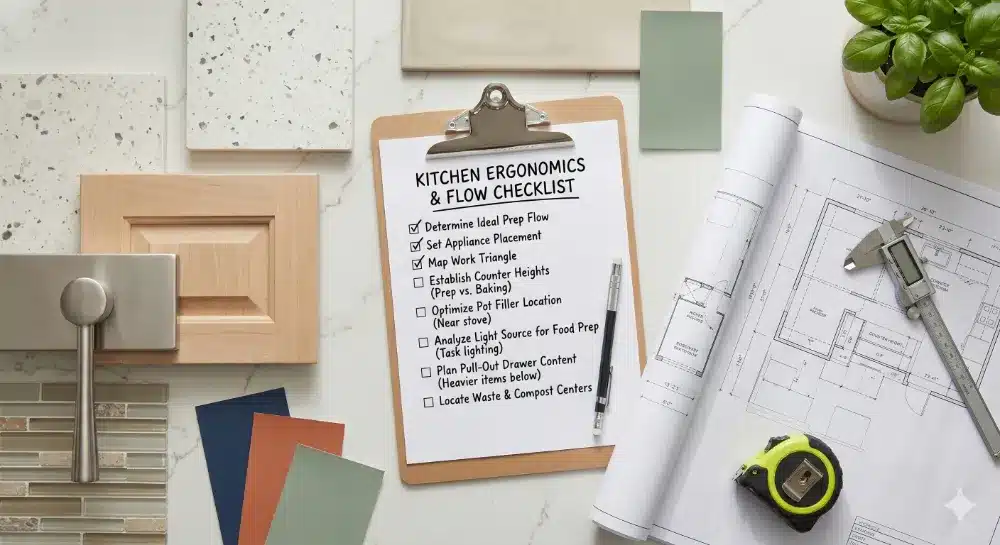
A healthy kitchen isn’t about perfection; it’s about making the nutritious choice easier on busy days. Use this checklist to turn your ideas (and your sink-upgrade priorities) into a layout and materials plan a contractor can actually build.
Map your “prep-to-cook-to-clean” flow: Stand at your sink and walk through how you rinse produce, chop, cook, plate, and clean. Aim for short, clear paths between sink, main prep counter, cooktop, and fridge, with landing space (about 15–18 inches) near each zone for setting items down. This supports the safer prep habits you built with a better sink setup; clean water access only helps if your cutting area and trash/compost are within a step or two.
Lock in ergonomic heights before you pick finishes: If you’re changing counters, choose heights that reduce shoulder and back strain: many people do well with roughly 36 inches for general work, but consider a slightly lower section for heavy chopping or baking. Place everyday items between shoulder and knee height and keep a “no-deep-bend” rule for heavy pots and small appliances. Good ergonomics are a wellness upgrade because they make home cooking feel easier, not like a workout.
Choose a main prep counter material that matches your real life: For the surface where you’ll chop and assemble most meals, prioritize non-porous, easy-clean materials that tolerate acids, oils, and frequent wipe-downs. If you love the warmth of butcher block, use it as a smaller, dedicated zone and commit to routine sealing; otherwise, choose a lower-maintenance option for the primary prep run. The goal is a surface that supports quick, confident cleanup after raw meat and messy produce.
Build smart storage around “healthy defaults”: Put bowls, cutting boards, knives, and spices in the first drawers by your primary prep counter, and store sheet pans and mixing tools near the oven. Use clear bins for snacks and grains and create a “grab-and-go” shelf for fruit, nuts, and lunch containers. One claimed benefit of an organized kitchen cutting meal prep time by up to 60 percent is that you spend less time hunting and more time cooking.
Right-size appliances for energy and behavior, not status: Start with how you cook: if weeknights are sheet-pan dinners, prioritize an efficient oven and a vent hood that actually clears steam and odors. When comparing models, use the “total cost” lens, purchase price plus expected energy use, and choose features that support your habits (like easy-to-clean surfaces or precise temperature control). Choose equipment that balances performance, energy efficiency, and budget to prevent overspending on upgrades you won’t use.
Treat ventilation and air quality as non-negotiable: Size your range hood to your cooking style, vent it to the outside when possible, and use it every time you sauté, sear, or fry – plus for a few minutes after. The EPA reports indoor air can be up to five times more polluted than outdoor air. It makes a strong case for clearing cooking particles instead of letting them linger. If you can’t duct outside, use the best recirculating filtration you can and replace filters on schedule.
Plan “clean zones” like you planned your sink: Add a pull-out trash/recycling/compost center near the prep area, and include a dedicated spot for towels, soap, and a small drying zone so wet items don’t migrate across the kitchen. Keep raw-meat tools in a single drawer or bin that’s easy to sanitize. When hygiene is built into the layout, cleanup stays fast and you’re more likely to cook at home.
Healthy Kitchen Design Questions, Answered
Q: What if I can’t afford a full kitchen renovation right now?
A: You can still make big wellness gains with targeted upgrades: better lighting at the prep area, a safer faucet setup, a real venting plan, and storage that puts healthy staples within reach. Ask for “phase 1” pricing that focuses on flow and air quality first, then finishes later. A small scope also reduces disruption and decision fatigue.
Q: How do I choose countertop materials that won’t turn into a maintenance hobby?
A: For your primary prep surface, prioritize non-porous options that wipe clean fast and resist staining from acids and oils. If you love wood, use it on a smaller section and schedule sealing like you would any routine home task. Bring home samples and test them with coffee, lemon, and oil before committing.
Q: Can durable choices still look warm and inviting?
A: Yes. Use durability for the work zones, then add warmth with cabinet color, hardware, lighting, and a backsplash that is easy to scrub. This approach keeps your “messy” areas resilient without making the whole room feel clinical.
Q: How do I avoid upgrades that create new upkeep headaches?
A: Choose fewer, simpler features you will actually use and write down basic care tasks before you buy. A maintenance checklist can help you reduce costly repairs by turning cleaning and filter changes into quick routines.
Q: What design trade-off matters most for healthy cooking: storage or counter space?
A: If you cook often, protect a clear prep surface first, because it is the “start line” for most meals. Then add storage that prevents pile-ups, like deep drawers for pots and a pantry zone for healthy staples.
Make One Kitchen Upgrade That Supports Health, Every Day
Healthy intentions often collide with busy nights, tight budgets, and a kitchen that makes the easiest choice the least nourishing. The way through is intentional kitchen design, small, thoughtful decisions that create wellness through the environment and keep your planning grounded and realistic. When the space supports you, long-term nutrition support becomes simpler, and the sustainable health benefits build quietly through repetition.
Design the kitchen to serve your health, and healthy cooking becomes the default. Choose one health-first upgrade to start this month and let it guide empowered renovation planning from there. That single shift is how routines become more resilient, steady, and life-giving over time.