For personal finance beginners working full time and trying to get ahead between bills, groceries, and recurring subscriptions, money progress can feel painfully slow. The common challenge is believing that real change requires months of perfect budgeting, so early wins don’t count and motivation fades fast. That belief is one of the most stubbornly challenging financial myths, and it keeps people stuck in “someday” mode. With a few financial mindset shifts and quick money management choices, fast financial progress can start showing up sooner than expected.
Understanding Fast Wins That Create Momentum

Small moves can change your money timeline faster than you expect. A high-impact financial move is a quick decision that redirects cash flow within days or weeks, not months. When you pair a short-term strategy with realistic timing, early results start compounding into momentum.
This matters because momentum removes the feeling of pushing a boulder uphill. Extra cash showing up sooner can cover a bill, lower stress, and free you to make the next smart choice. Those early wins also build confidence, which makes bigger steps feel doable.
Think of it like plugging a small leak in a boat. Canceling an unused subscription or lowering an interest rate does not feel dramatic, but it raises your monthly “waterline” right away. With less money leaking out, each paycheck goes further, and progress accelerates.
Turn an Unneeded Life Policy Into Cash: Life Settlements Explained
Once you’ve seen how fast a single decisive move can change your money outlook, it helps to remember that some “assets” don’t look like assets until you take action. If you have a life insurance policy you no longer need or want, a life settlement, selling the policy to a third party, can unlock cash in as little as a few weeks, turning an underused benefit into funds you can actually use now. This can be a real liquidity boost, but it’s not a free win: you’re giving up the policy’s death benefit, so it’s smart to weigh the trade-off carefully and get professional guidance before moving forward.
If you do explore this route, consider working with a life-settlement broker who represents policyowners as a fiduciary. A good broker can manage the entire process, seek competitive offers from multiple buyers (including vetted companies that buy life insurance policies), and typically charge no upfront fees, earning a commission only if the settlement closes, while still letting you cancel at any time.
5 High-Impact Actions to Complete in 30 Days
Pick just one or two of these quick financial actions to start this week, then stack the next ones as you go. The goal is simple: lock in a few “permanent” wins, lower rates, higher yields, fewer leaks, so your month creates momentum.
- Refinance (or restructure) high-interest debt: List every balance with its APR, minimum payment, and payoff date, then target anything above ~10–12% first. Ask your lender for a hardship rate, explore a balance-transfer offer, or refinance with a fixed payment you can actually maintain, your win is a lower APR and a clear payoff timeline. If you recently created liquidity from something like a life settlement, consider using a portion to wipe out the highest-interest balance only after you set aside a small cash buffer so you don’t boomerang back onto the card.
- Open a high-yield savings account and automate one transfer: Many people still earn the average savings account yield while their cash sits idle. Open a high-yield savings account, then set an automatic transfer for payday, start with $25–$100 if that’s realistic. Name the goal (“emergency fund” or “taxes”) and treat it like a bill; the point is to reduce “I’ll save later” decisions.
- Increase retirement contributions by 1–2% (and keep the rest of your budget steady): Log into your workplace plan and bump your deferral rate by a small, painless amount today; you can always adjust later, but starting is the hard part. A good benchmark is the average 401(k) savings rate, and even moving toward it gradually can add up fast. If cash flow is tight, pair the increase with one small cut (like a single subscription) so your checking balance doesn’t feel the change.
- Compare insurance rates and raise deductibles strategically: Pull your auto/home/renters declaration pages and make a simple comparison sheet: premium, deductible, coverage limits, and any riders you actually need. Get quotes with the same coverage so you’re comparing apples to apples, then ask about bundling discounts and safe-driver/home security credits. Consider raising deductibles only if you can cover them from your emergency fund, otherwise a “lower premium” can turn into a crisis later.
- Cut subscription bloat with a 15-minute “statement audit”: Scan the last 60 days of card and bank activity and highlight every recurring charge. Cancel anything you haven’t used in 30 days, downgrade anything you use occasionally, and renegotiate anything that can be paused, your goal is fewer monthly commitments, not deprivation. Route the dollars you free up to your debt payoff or automated savings so the win becomes permanent.

Can Ozempic Prevent Cancer? A Doctor Explains Why the Headlines Are Easy to Misread
GLP-1 drugs appear unlikely to raise overall cancer risk, yet evidence that Ozempic actively prevents cancer is still far from…

Is The World Becoming More Autocratic?
Simon Commander and Saul Estrin argue that autocracy is alive and kicking and has been registering a growing presence in…

The Government Knows The Real Climate Threat. Why Is It Hiding It?
For months, ministers have refused to publish a report on how climate crisis will affect the UK. Burnham must release…
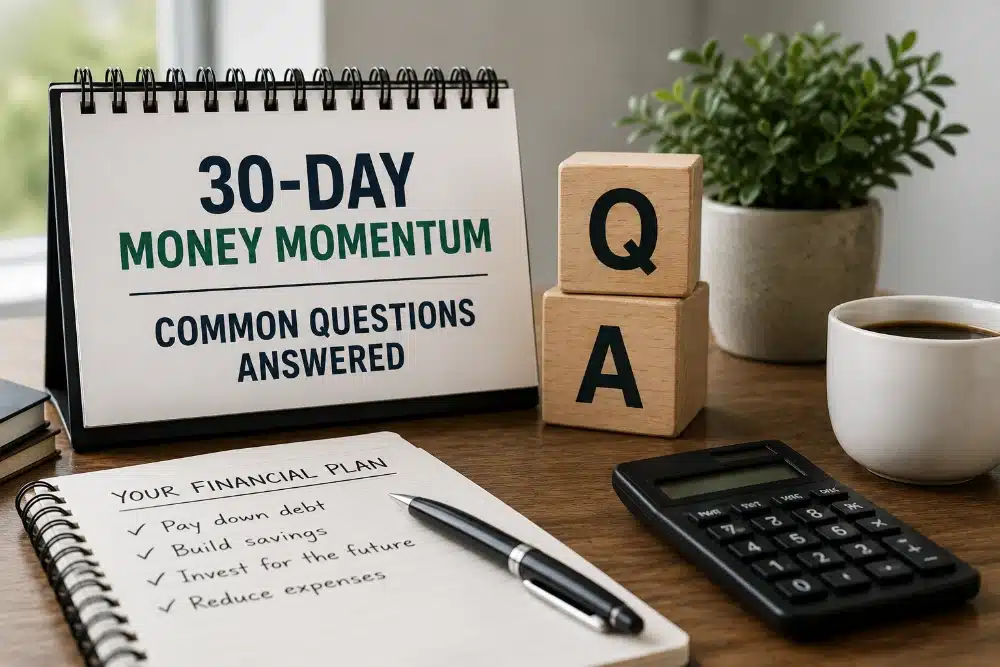
30-Day Money Momentum: Common Questions Answered
Q: What’s a “realistic” win I can expect in 30 days?
A: Think tighter cash flow, not a total transformation. A realistic win is fewer fees, one bill reduced, and at least one automated transfer running without willpower. Those changes create breathing room you can build on.
Q: How do I avoid making a fast change that backfires?
A: Use a two-step rule: protect your basics first, then optimize. Keep a small cash buffer, avoid taking on new monthly payments, and confirm any new terms in writing before you commit.
Q: Should I pay off debt or build savings first?
A: If you have no buffer, start with a small starter fund so surprises do not push you back onto credit. Then focus extra dollars on the highest-interest balance while still saving a little automatically.
Q: Why do I freeze when I have to decide quickly?
A: Decision stress is normal, and risk headlines amplify it, especially with exposure to cyber risk making people more cautious. Shrink the decision: set a 20-minute timer, choose one action with a clear dollar impact, and schedule a review date.
Q: Can I invest during a 30-day sprint without being reckless?
A: Yes, if you keep it simple and small. Automating a modest contribution is usually safer than trying to pick “hot” stocks, since dividends and price appreciation drive stock returns and those can swing in the short term.
Choose One Fast Money Move to Build Confidence This Month
Wanting big financial changes fast can clash with the old belief that money progress has to be slow and painful. The way through is a short, focused approach: make one clear decision, take immediate money steps, and let evidence, not anxiety, set the pace. Do that, and the early win builds financial confidence, fuels motivating fast money moves, and supports real financial empowerment while debunking slow change myth thinking. One small win creates the momentum your finances have been waiting for. Pick one move today and complete it within seven days. That kind of follow-through strengthens stability and resilience when life gets expensive or unpredictable.