The post-pandemic shift to hybrid work arrived with a “best of both worlds” promise: the flexibility of the digital-first environment paired with the collaborative energy of the physical office. Yet, we’ve observed that this transition has triggered a primal cognitive shortcut: proximity bias.
Proximity bias (or distance bias) is the unconscious tendency of leaders to favour employees who share their physical workspace. Why does the executive brain still crave the “coat on the back of the chair” when its own productivity data tells a different story?
We must move beyond logistics and address the psychological heuristics that threaten to turn hybrid work into a new engine of favouritism.
Physical Presence Might Still Be the “Silent Promotion Requirement”
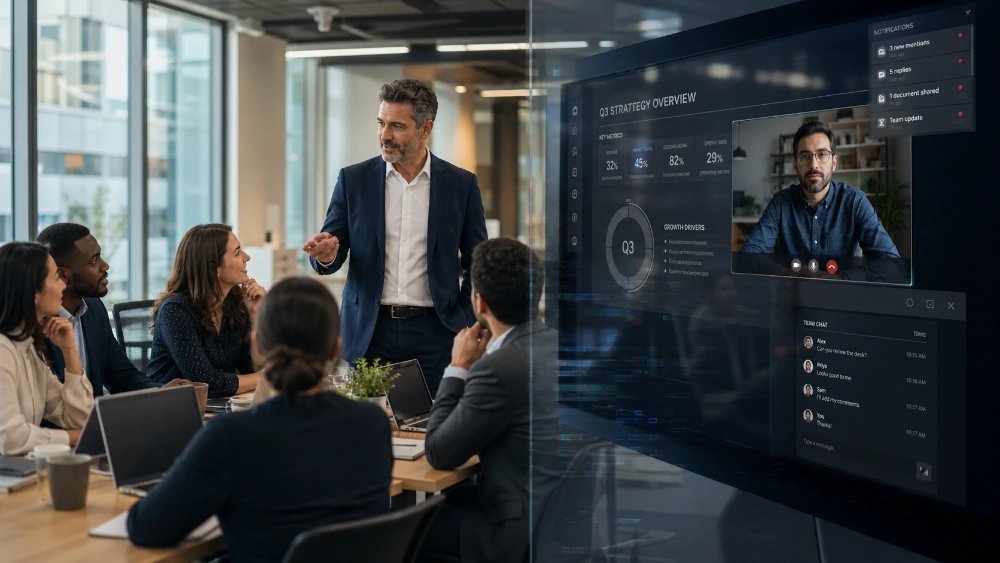
While hybrid models are now the dominant reality for 58% of global workers, most career growth remains stubbornly tethered to the real office. We are seeing a significant “perception gap” where visibility is being misconstrued as value.
- The Advancement Illusion: Data from the Maru Group/ADP Canada study reveals that 63% of in-office workers believe spending more time in the workplace provides a superior opportunity for career growth.
- The Promotion Speed Factor: 34% of staff hold the view that those in the office will be offered promotions faster than their remote counterparts.
- The Replaceability Trap: According to AIHR (the Academy to Innovate HR) research, 67% of supervisors perceive remote workers as more replaceable than on-site personnel, creating a dangerous “out of sight, out of mind” dynamic that ignores actual output.
Cognitive Load and Proximity-Induced Bias (The SEEDS Model)

Proximity bias is rarely the result of intentional malice; it is a logical outcome of how the human brain manages cognitive load. Our brains rely on unconscious heuristics – mental shortcuts developed for evolutionary survival – to make decisions faster. The SEEDS model (Similarity, Expedience, Experience, Distance, and Safety), cited by Slido, identifies two specific biases fuelling this preference:
Distance Bias: We are wired to assign greater value to things perceived as immediately available. Historically, human existence depended on focusing on immediate, local needs. In the office, the person at the next desk is the “current need”.
Expedience Bias: This occurs when the brain favours information that is easily accessible and “feels right”. For instance, a quick hallway update is simpler to process than a documented project brief. This ease of communication leads managers to favour the colleagues they see in person over those working remotely.
To counter this, off-site staff often engage in “voluntary-visibilising”, a term coined by Nuswantoro & Richter to describe the proactive, exhausting connection remote workers use to remain visible to leadership.
The “Inequity Trap” for Women and Underrepresented Groups
Future Forum data shows that personnel from minority backgrounds opt for flexibility at higher rates.
- The Demographic Split: In the United States, 86% of Hispanic/Latinx and 81% of Black and Asian/Asian American staff lean towards hybrid or remote work, compared to 75% of their white counterparts.
- The “Mommy Track” Risk: Working mothers are 16% more likely than women who do not have children to prefer total schedule flexibility. Without intentional guardrails, we’re in danger of relegating a generation of talented women to a modern “mommy track”, where flexibility is traded for professional irrelevance.
When proximity bias goes unchecked, remote workers miss out on the informal relational cues and spontaneous updates that drive decision-making.
“A majority of hybrid-working TMT (Tech, Media, and Telecom) women (52%) said they’ve experienced exclusion from professional activities.” Deloitte Insights.

The Truth About Skills & Labour Shortages: Real Crisis or Corporate Fiction?
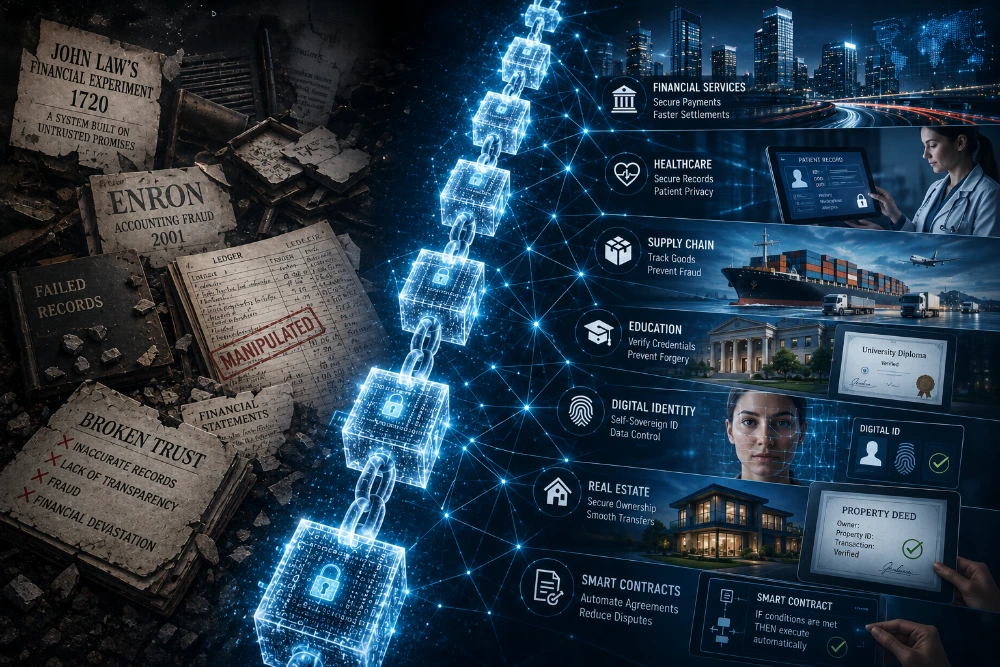
Understanding Blockchain and Its Real-World Applications
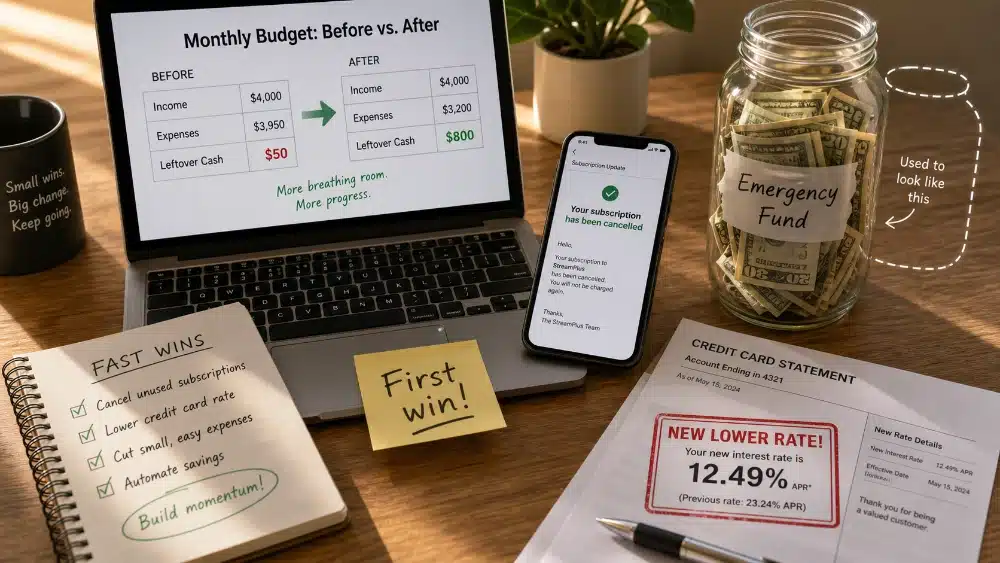
How to Make Big Financial Changes in Just 30 Days and Build Momentum

How to Help Your Customers Feel Like a Community

Circular Economy Models in Business and Manufacturing: How Companies Slow and Close Resource Loops

Is the Artificial Intelligence Bubble Bursting?
The “Transparency Gap” and Executive Disconnect

A primary driver of proximity bias is the growing chasm between leader behaviour and employee needs. Future Forum highlights that 71% of executives work from the office 3+ days a week, compared to 63% of non-executives. This creates a psychological “In-group/Out-group” structure where the physical workplace becomes an exclusive hub for the inner circle.
At the same time, 72% of managers are convinced they are being transparent about their post-pandemic policies, but only 47% of employees agree. Such disconnection has fuelled aggressive return-to-office (RTO) mandates at tech giants like Amazon, Apple, and X (formerly Twitter).
While leaders such as Andy Jassy and Tim Cook argue that in-person collaboration is “essential” to culture, the fallout has been quantifiable. After Elon Musk issued an uncompromising ultimatum at X, the company lost 1,200 employees in a single day. In contrast, Slack’s leadership has mitigated this by asking executives to limit their own attendance, ensuring they don’t signal that “the office is where the real work happens.”
Visibility Is Not Productivity

To build a high-performing hybrid culture, organisations must shift from measuring “inputs” (hours seen) to measuring “impact”. Mitigating proximity-induced bias requires organisational frameworks:
- Outcome-Based Evaluation: Move from “desk time” to objective, measurable performance metrics. Managers should be reskilled to act as empathetic coaches rather than gatekeepers.
- Remote-First Meeting Design: Adopt the policy, “If one dials in, all dial in.” This levels the playing field for participation and eliminates the advantage of being in the room.
- Asynchronous Communication: Prioritise digital documentation over “watercooler” decisions. If a decision isn’t documented in a shared digital space, it didn’t happen.
- Rotational In-Office Schedules: To prevent the formation of location-based “in-groups”, rotate which teams or individuals are in the office on specific days to ensure cross-pollination of visibility.
The challenge of the next decade is not deciding where we work but making that work human and fair. Proximity bias is a natural cognitive hurdle, but it’s one that forward-thinking organisations can overcome through intentional and data-driven equity.
Since you are auditing your own culture, ask yourself: is your organisation measuring what truly matters – the output of your talent – or are you still just counting bums on seats?