The food industry adores ultra-processed foods (UPFs) because of their convenience and longer shelf life. However, the production methods used strip away essential components and introduce harmful chemicals—and that’s a problem.
In Canada, a new study indicates that ultra-processed foods contribute to health problems and death. So much so that nearly four in 10 heart disease and stroke deaths are linked to ultra-processed food consumption.
Further highlighting this issue, an analysis from eight countries, published in the American Journal of Preventive Medicine, indicated that those who eat lots of ultra-processed foods may be at greater risk of dying early. The causes include high consumption of processed meat, biscuits, fizzy drinks, ice cream, and breakfast cereals.
This article looks at the key nutrients lost during food processing, how meals built on an assembly line affect our bodies, and six solid reasons why you should cut down on ultra-processed foods.
But first, let’s look at the common methods manufacturers use to create these products.
Table of Contents
- Food Processing Techniques
- Research on Processed vs Natural Foods
- Understanding Essential Nutrients
- 1- Nutrient Deficiency in Processed Foods
- 2- High in Unhealthy Ingredients
- 3- Additives and Preservatives
- 4- Increased Risk of Chronic Diseases
- 5- Weight Gain
- 6- Impact on Mental Health
- Another Surprising Health Risk of Ultra-Processed Foods: Psoriasis
- 20 Processed Foods to Avoid
- The Real-Life Problem: Ultra-Processed Foods Are Easy, Cheap, and Everywhere
- Benefits of Naturally Prepared Foods
- Wrapping Up
Today’s Focus of Attention is reader-supported. We sometimes include products we think are useful for our readers. If you buy through links on this page, we may earn a small commission.
Food Processing Techniques
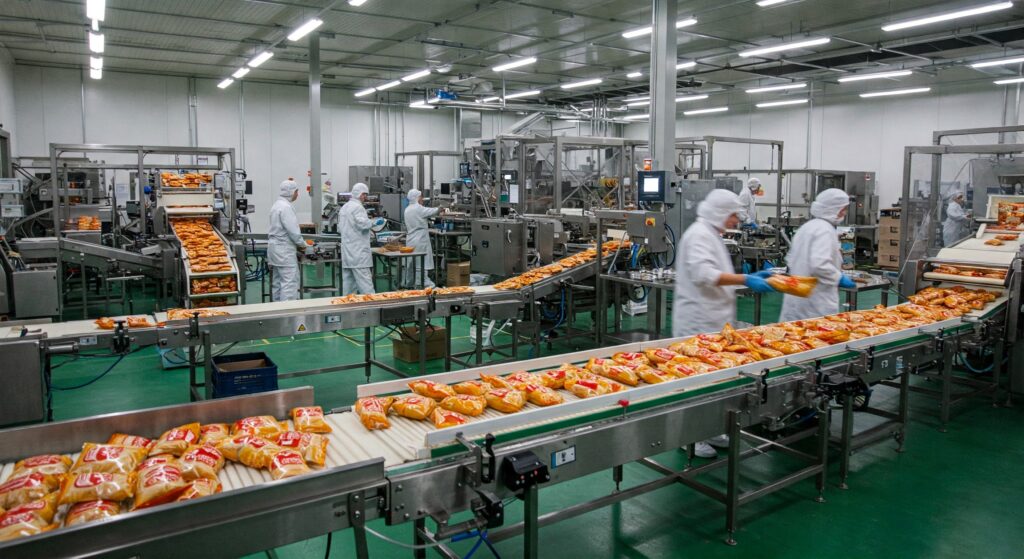
An August 2024 study found that the primary concern with food production is the loss of vitamins and minerals. These micronutrients are vital for growth, development, and protecting our bodies against chronic diseases. To clear the air, let’s examine the processes companies use to mass-produce foodstuffs:
| Technique | What It Does |
|---|---|
| Milling | Refines grains but removes the bran and germ, which hold most of the fibre, B vitamins, phytochemicals and minerals. |
| Blanching | Exposes foods to boiling water or steam to preserve colour and texture and deactivate enzymes, but damages water-soluble vitamins (C and B-complex) and antioxidants. |
| Canning | Seals food in airtight containers and heats it to kill microorganisms, extending shelf life but degrading vitamins C and B. |
| Freezing | Better at preserving vitamins than canning, but by the time food is frozen, other processing steps may already have reduced its nutritional value. |
| High-Pressure Processing |
Uses high pressure, with or without heat, to kill microbes with less impact on vitamin levels, flavour and colour. |
| Farming Practices | Nitrogen-laden fertilisers can reduce vitamin C content in fruits and vegetables. |
| Food Safety & Preservation |
Techniques like pasteurisation and sterilisation can remove harmful germs and prevent foodborne illness – not everything about processing is bad. |
After reviewing online sources, we found that a couple of studies examined the differences in nutrient content between processed and organic food with the following conclusions.
Research on Processed vs Natural Foods
A study published in the National Library of Medicine compared nutrient levels in ultra-processed foods –– like instant soups, breakfast cereals, and packaged cold meats –– to more natural foods. The results showed that ultra-processed options are less nutrient-dense, higher in energy, and cheaper in calories.
Curiously, findings from a different investigation revealed that a diet with minimal processed ingredients spoils faster than one rich in processed foods. Yet both diets proved to be of low quality.
This suggests the type of foods you consume matters more than how much they’re refined.
Understanding Essential Nutrients
Our bodies can’t produce all the nutrients we need, so we rely on a balanced diet to stay healthy. Here’s a list of the most well-known and their benefits:
Vitamins
Vitamins are organic compounds that help the immune system and provide energy. They also repair and support cell growth, aid in bone health, and improve vision. A selection of the top ones includes:
|
Minerals
Minerals are important inorganic substances that support bone health, oxygen transport, nerve function, muscle contraction, and enzyme activity. These include:
|
Proteins
As macronutrients, proteins are crucial for building and repairing tissues, producing enzymes and hormones, and keeping fluid balance. They are present in:
|
Fats
Healthy fats provide energy, support cell function and hormone production, while absorbing fat-soluble vitamins. Sources are:
|
Carbohydrates
Carbohydrates fuel endurance, assist digestion, and regulate blood sugar levels. Find them in:
|
| Water Indispensable for hydration, water is a nutrient transporter, a waste remover, and a temperature regulator. |
Covered the industrial processes and nutrients, let’s delve into the essence of this article: 6 Reasons Why You Should Cut Down on Processed Food.
1- Nutrient Deficiency in Processed Foods
When factory-made foods undergo extensive manufacturing processes, their essential nutrients are stripped away. Here are the consequences:
| Issue | What Happens |
|---|---|
| Loss of Vitamins and Minerals |
Refining grains removes the bran and germ, stripping fibre, vitamins and minerals. |
| Low Fibre Content | Fibre is crucial for digestion and metabolic health; its absence contributes to constipation and higher risk of chronic disease. |
| Artificial Fortification | To compensate, companies add synthetic vitamins and minerals — which don’t turn a sugary, low-fibre product into a genuinely healthy one. |
| Empty Calories | Many UPFs are high in calories but low in nutrients, providing energy without the components needed to maintain health. |
| Impact on Immune Function |
Chronic nutrient shortfalls can weaken immune defences, making us more prone to infections and illness. |
| Long-Term Consequences |
Over-reliance on nutrient-poor foods contributes to anaemia, osteoporosis and even cognitive issues like brain fog. |
2- High in Unhealthy Ingredients
Processed foods contain a host of questionable components, such as:
| Component | Consequences |
|---|---|
| Added Sugars | Common in sodas and sweets, they contribute to weight gain, type 2 diabetes and cardiovascular disease. |
| Trans Fats | Created through hydrogenation, they raise LDL (“bad”) cholesterol, lower HDL (“good”) cholesterol and increase heart disease risk; often found in margarine, snacks and fried foods. |
| Refined Carbohydrates |
White flour and similar products cause blood sugar spikes and can lead to weight gain and insulin resistance. |
| High Sodium | Excess salt drives hypertension and raises the risk of heart problems; canned soups, frozen meals and salty snacks are typical culprits. |
| Artificial Additives | Synthetic flavours, colours — like Red Dye No. 3 — and preservatives, such as brominated vegetable oil, are linked to various health concerns. |
We should avoid these products altogether to reduce the chance of chronic diseases.
Do Patients Who Suffer Heart Attack Have More Micro and Nanoplastic in Their Blood? New Study Assessed

Can Ozempic Prevent Cancer? A Doctor Explains Why the Headlines Are Easy to Misread

The Government Knows The Real Climate Threat. Why Is It Hiding It?

Big Tech Accused of AI ‘Greenwashing’

Digital Surveillance is Breaking Activist Mental Health

Sitting for Long Stretches Linked to a Higher Risk of Death From Cancer – Oncologist Answers Questions About the New Study

Design Your Kitchen to Boost Healthy Cooking and Lasting Wellness
A Common Tropical Plant Might Help Filter Toxic Microplastics from Your Drinking Water

The Ghost in the Groundwater: Why a Century-Old Cleaning Chemical is the Most Overlooked Threat to Your Brain
Are Parkinson’s Cases Rising Due to Microplastics? Scientists Say “Maybe Yes”
Microplastics Found in 9 Out of 10 Prostate Cancer Tumours, Study Says

Under GOP Pressure, Federal Agency Pulls Climate Change Chapter From Official Manual for U.S. Judges
3- Additives and Preservatives
These agents enhance food qualities and extend shelf life. Key points are:
| Types of Additives |
Flavouring Boosters: Natural or artificial, they change the taste and aroma. Colourants: For a desired colour, companies use beet juice and synthetic substances like ‘tartrazine.’ Emulsifiers, Stabilisers, and Thickeners: To help with texture and consistency, emulsifiers keep oil and water mixed, while thickeners increase viscosity. |
| Types of Preservatives |
Antimicrobials: To limit the growth of bacteria, yeast, and mould, chemical engineers use sodium benzoate or potassium sorbate. Antioxidants: They prevent oxidation, which spoils food. Examples are ascorbic acid (vitamin C) and tocopherols (vitamin E). Chemical Preservatives: This group includes nitrates and sulphites, used to preserve meat and wines. |
| Health Concerns | Certain colourants might trigger hyperactivity in children; nitrites and sulphites can cause allergic reactions and pose carcinogenic risks. |
Understanding these substances helps consumers choose and be aware of their effects.
4- Increased Risk of Chronic Diseases
Regular consumption of additives links to:
| Condition | How UPFs Contribute |
|---|---|
| Cardiovascular Disease |
Excess sodium, unhealthy fats and certain preservatives — like nitrites in processed meats — raise blood pressure and cholesterol. |
| Type 2 Diabetes | High-fructose corn syrup and refined carbs promote insulin resistance and chronically high blood sugar. |
| Cancer | High-temperature cooking of nitrite-preserved meats is linked to colorectal cancer. |
| Metabolic Syndrome |
The combination of central obesity, high blood pressure, abnormal lipids and high blood sugar is strongly associated with heavy UPF intake. |
5- Weight Gain
Processed foods are energy-dense, making you consume more calories without realising it. Key factors include:
| Mechanism | Effect |
|---|---|
| Caloric Density | High sugar, unhealthy fats and sodium pack in calories without providing lasting satiety. |
| Biochemical Disruption |
Preservatives like propionate may raise blood glucose and insulin levels. |
| Appetite Stimulation | Flavour enhancers such as monosodium glutamate (MSG) can increase palatability and promote overeating. |
| Gut Health Consequences |
Some additives and low-fibre formulations harm gut microbiota, which plays a key role in metabolism and weight regulation. |
| Hormonal Changes | High-fructose corn syrup interferes with hormones that regulate hunger and fullness. |
6- Impact on Mental Health
When our eating habits affect our bodies, they also take a toll on our brains. Here are a few consequences of the uncontrolled intake of processed foods:
| Effect | Potential Contributors |
|---|---|
| Anxiety and Depression |
Sweeteners like aspartame and excitatory additives such as MSG may alter brain chemistry in ways that worsen mood in some people. |
| ADHD Symptoms | Artificial colours and preservatives have been reported to exacerbate hyperactivity in certain children. |
| Behavioural Issues | Additives can increase irritability and behavioural difficulties in sensitive individuals. |
| Cognitive Impairments |
Some emulsifiers and ultra-processed patterns are linked to poorer learning and coordination in animal studies, with emerging human data. |
| Sleep Disorders | Stimulants, sugar spikes and certain preservatives can disrupt normal sleep cycles, indirectly impacting mental health. |
Another Surprising Health Risk of Ultra-Processed Foods: Psoriasis
A recent study has linked ultra-processed foods (UPFs) with an increased risk of developing psoriasis, a finding supported by analysed data from The UK Biobank, a massive project aimed at understanding how genetics and lifestyle influence the development of diseases in a large population.
For the analysis, the study involved 121,019 participants who provided information about their health, diet, and lifestyle through interviews and questionnaires. Researchers also examined the participants’ intake of ultra-processed foods, noting their high content of artificial ingredients designed for long shelf life and convenience.
The results showed that a higher intake of UPF may contribute to psoriasis due to inflammation and a high body mass index (BMI). Surprisingly, neither sex, age, body weight ,smoking habits, alcohol use nor physical activity levels had a significant effect.
Moving forward, here’s a list of top foods to be on the lookout for because of their toxicity.
20 Processed Foods to Avoid
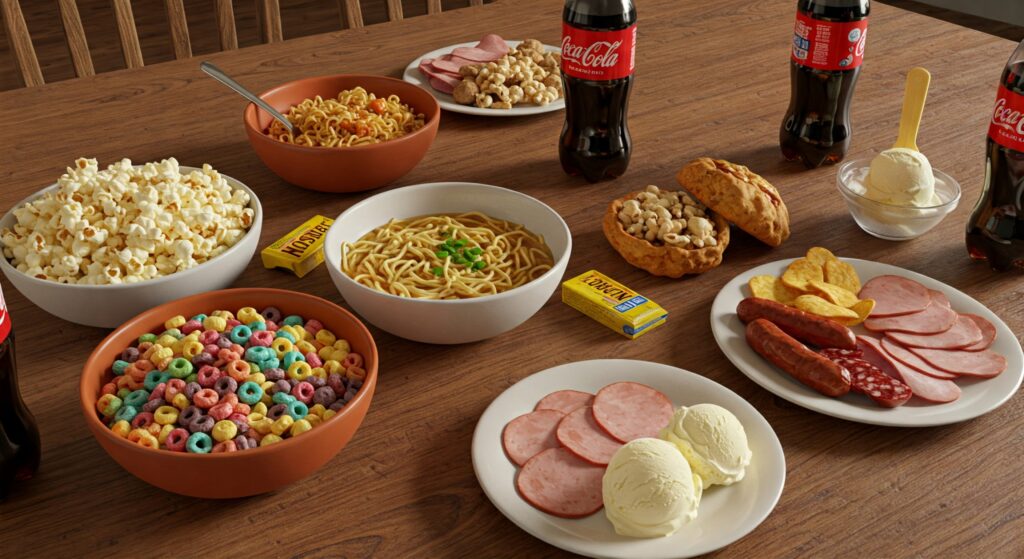
| # | Food | Issues |
|---|---|---|
| 1 | Sugary Cereals | High in sugar and artificial colours. |
| 2 | Instant Noodles | High levels of sodium and MSG. |
| 3 | Processed Meats (hot dogs, sausages) | High in nitrates. |
| 4 | Soda | Loaded with sugar and artificial sweeteners. |
| 5 | Packaged Snacks (chips, crackers) | High in trans fats and artificial additives. |
| 6 | Frozen Dinners | High in sodium. |
| 7 | Sweets | High in sugar and artificial colours. |
| 8 | Fast Food | High in unhealthy fats and sodium. |
| 9 | Microwave Popcorn | High in trans fats. |
| 10 | Energy Drinks | High in caffeine and sugar. |
| 11 | Canned Soups | High in sodium and preservatives. |
| 12 | Margarine | High in trans fats. |
| 13 | Packaged Baked Goods (biscuits, cakes) | High in sugar and trans fats. |
| 14 | Processed Cheese | High in sodium and artificial additives. |
| 15 | Flavoured Yoghurts | High in sugar and artificial flavours. |
| 16 | Fruit Snacks | High in sugar and artificial flavours. |
| 17 | Ice Cream | High in sugar and artificial flavours. |
| 18 | Condiments (ketchup, salad dressings) | High in sugar and preservatives. |
| 19 | Granola Bars | High in sugar and artificial additives. |
| 20 | Diet Sodas | High in artificial sweeteners (aspartame). |
Now, let’s review the advantages of natural foods and how they improve our physical and mental well-being.
The Real-Life Problem: Ultra-Processed Foods Are Easy, Cheap, and Everywhere
It’s one thing to say “Just cook from scratch”. It’s another to do it when you’re shattered after work, juggling kids, bills, and long commute. Reports from families who’ve tried to dramatically cut ultra-processed foods describe the reality: it’s expensive, labour-intensive, and time-consuming. Ditching convenience foods often means:
- Bigger grocery bills, especially for fresh produce and quality protein.
- More hours spent planning, shopping, chopping, and cooking.
- Negotiations (or full-blown arguments) with children who are used to brightly packaged snacks and ready meals.
In other words, the system is set up to make ultra-processed foods the default – and that’s before you add food marketing, subsidies, and the political power of big food companies. So if you’ve tried to eat “perfectly” and failed, it’s not a personal moral weakness but you pushing back against a powerful industrial food machine.
Benefits of Naturally Prepared Foods
Cooking from scratch using whole ingredients offers several rewards.
1- Higher Nutrient Content
You preserve vitamins and minerals.
2- Better Taste
Fresh produce has more vibrant colours
3- No Artificial Elements
4- Cost Savings
In general, domestic gastronomy is cheaper than frequent takeaways.
5- Family Bonding
Preparing meals together fosters strong relationships.
6- Environmental benefits
Less energy consumption and packaging waste.
7- Gut Health
More fibre and nutrients help your microbiome thrive, resulting a stronger immune system.
Wrapping Up
Processed foods might be quick and tasty, but they bring serious downsides: weight gain, an increased risk of chronic diseases, possible impact on mental health, and the likelihood of type 2 diabetes. The best advice is to stay away from ready-made meals altogether. Instead, opt for homemade meals, whole grains over refined ones, and read labels carefully.
It’s hard; we know that.
Just take the first step today. Start small—add one more home-cooked meal to your routine this week—and watch the benefits pile up. By cutting back on processed foods, you’ll enjoy better gut health, improved mental clarity, and even help the environment.
If you know someone who lives on ready-meals and energy drinks, share this with them. And remember we are reader-supported, so support us by spreading the word.