If you’re considering buying an EV but worry about long charging times and short range, keep reading. Chinese automaker BYD has introduced its Blade Battery 2.0 and FLASH Charging system, which allows a vehicle to charge from 10% to 70% in five minutes and from 10% to 97% in nine minutes. This could make some petrol stops seem…slow.
For reference, check this table showing a Tesla and the next-gen BYD model:
| Metric | Tesla Standard V3/V4 | BYD Blade Battery 2.0 |
|---|---|---|
| 10% to 80% (Room Temp) | ~20–25 minutes | ~6–7 minutes |
| 10% to 97% (Room Temp) | ~60+ minutes (Significant taper) | ~9 minutes |
| Charging at -30°C | ~45+ minutes (Highly variable) | ~12 minutes (Steady) |
| Range added in 5 mins | ~120–170 km | ~400 km |
| Max Charger Output | 250 kW (some V4 at 350 kW) | 1,500 kW (Flash Charging) |
To achieve such incredible performance, BYD engineered ultra-high-power chargers and 2nd-generation batteries that maintain exceptional charging speeds even at freezing temperatures.
Initial rollout focuses on luxury vehicles like the Denza Z9GT and Yangwang U7, while high-volume models, such as the Atto 3 (Yuan Plus), are also being upgraded. To support this transition, BYD aims to install 20,000 charging stations across China and expand the network globally by the end of 2026.
Let’s look at some attributes of the Blade Battery 2.0 and what lies ahead.
Key Characteristics of BYD’s Blade Battery 2.0
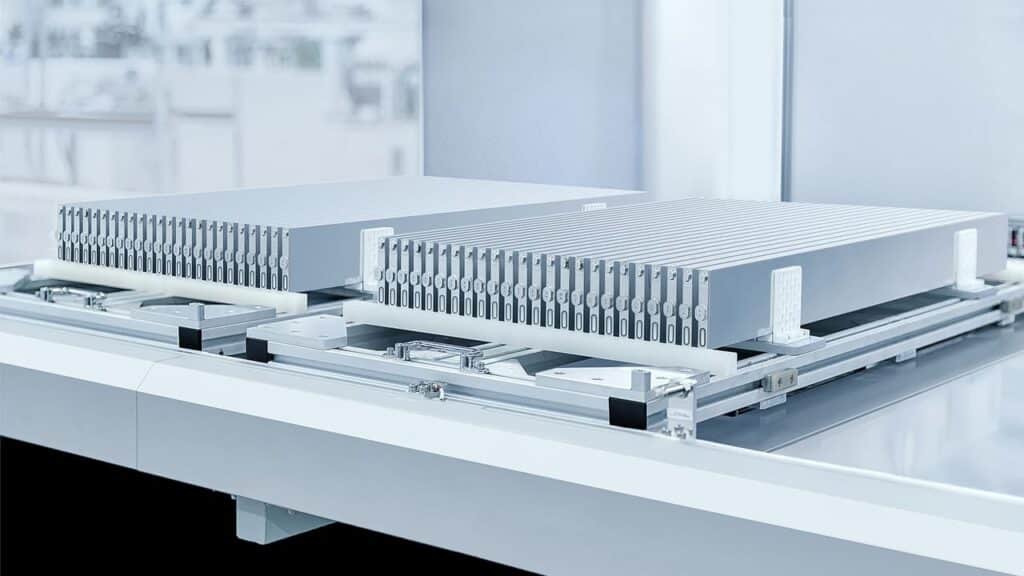
Blade Battery 2.0 (BB2.0) features multiple technical improvements to overcome two of the most common barriers to EV adoption: slow charging and range anxiety.
Ultra-Fast Charging Speeds
Paired with BYD’s 1,500 kW FLASH Charging system, the BB2.0 recharges from 10% to 70% in only five minutes, while a near-full charge of 97% takes around nine minutes.
Superior Cold-Weather Performance
With its “Cold Add 3” feature, you can supercharge your car from 10% to 97% in 12 minutes, even in temperatures as low as -30 degrees Celsius. This is only three minutes longer than the room-temperature charging time.
Increased Energy Density and Range
The Blade Battery 2.0 offers a 5% increase in energy density over its first generation, supporting driving ranges that exceed 1,000 kilometres (621 miles) under China’s CLTC test cycle.
Advanced Ion Transport System
Known as “FlashPass” or “Lithium-Ion High-Speed Channel”, the battery also comes with a specially designed cathode, electrolyte, and anode that reduce internal resistance and heat buildup while boosting lithium-ion flow.
Enhanced Safety and Durability
Like its predecessor, the BB2.0 maintains its safety reputation, passing rigorous tests – including simultaneous flash charging and nail penetration – without causing smoke, fire, or thermal runaway.
Cost-Effective Chemistry
It continues to use Lithium Iron Phosphate (LFP) chemistry, which avoids expensive cobalt and nickel, lowering the overall cost of the battery and the vehicle.
How Does the FlashPass Ion Transport System Work?
Known as the “Lithium-Ion High-Speed Channel”, the FlashPass is designed to speed up the movement of ions required for five-minute charging. The system works through several key mechanisms:
Specialised Battery Components
The redesigned cathode, electrolyte, and anode function together to reduce internal resistance within the battery cells, allowing lithium ions to move more freely and quickly during the charging process.
Thermal Control
By lowering resistance, the setup minimises internal heat generation. Moreover, it’s designed to work in tandem with a “Full-Spectrum Intelligent Thermal Management System” to maximise heat dissipation, preventing the battery from overheating during ultra-high-power charging sessions.
Temperature Versatility – the ‘Cold Add 3’ Feature
These gains in ion transport grant the battery the ability to support high charging speeds across a wider range of climate conditions – particularly effective in extreme cold (down to -30 degrees Celsius), where ion movement decelerates in standard batteries. While not matching the ultra-fast rate in favourable settings, the battery still charges from 10% to 97% in around 12 minutes.
What Is the 1,500-kW FLASH Charging System, and How Does It Work?
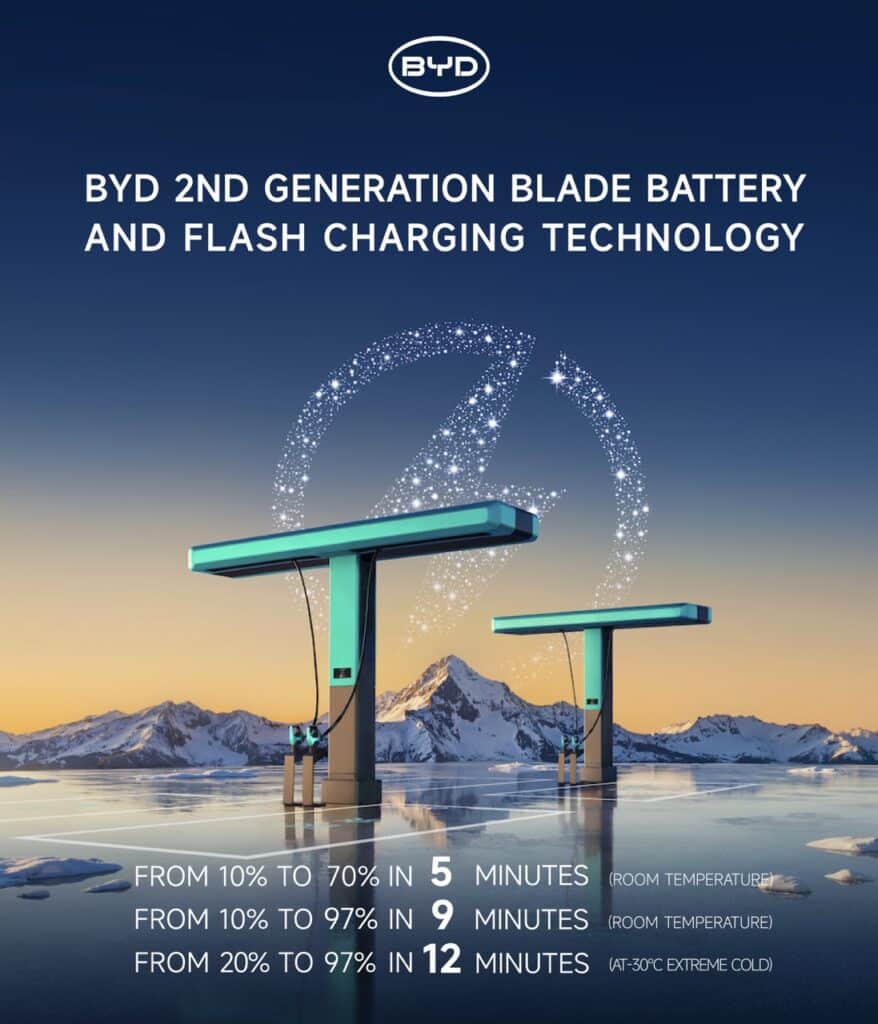
Developed by BYD as a lightning-quick EV charging solution, the 1,500-kW FLASH Charging system offers charging times comparable to refuelling a petrol car. It features a world-leading single-connector output of 1,500 kW, which is more powerful than the 350-kW or 500-kW chargers found in Europe and the US. This setup is a major advancement over BYD’s previous 1,000-kW structure, which required the simultaneous use of two 500-kW cables. Key FLASH components include:
Exceptional Charging Speeds
When paired with a compatible vehicle like the Yangwang U7 or Denza Z9GT, the system charges a battery from 10% to 70% in five minutes and reaches 97%, a near-full charge, in nine minutes.
“Cold Add 3” Performance
FLASH is designed to keep the efficiency in extreme weather, capable of charging from 10% to 97% in 12 minutes even at -30 degrees Celsius.
Ergonomic Design
FLASH connects to the vehicle using a T-shaped overhead pulley system with a “Zero-Gravity” layout, keeping heavy cables off the ground and allowing the connector to be easily pulled to either side of the vehicle.
Grid-Friendly Infrastructure
To deliver high power without overstressing electrical networks, each FLASH station incorporates a high-capacity energy storage unit, which lets the chargers bypass local grid limits.
Public Accessibility and Rollout
As of March 2026, BYD has already installed over 4,200 FLASH Charging stations in China. However, the company aims to install an additional 20,000 units and 6,000 overseas over the next 12 months, starting with Europe, according to Reuters. Once built, they will be open to the public to encourage wider EV adoption.
How Much Driving Range Can Five Minutes of Charging Provide?
With BYD’s FLASH Charging and Blade Battery 2.0, five minutes of recharging gives compatible vehicles enough energy to cover around 400 km (240 miles) of range. This capability is the core of the company’s “Ready in 5” principle, which aims to make EV fill-ups as fast as refuelling a traditional internal combustion engine (ICE).
Remember, not all EVs can handle this charging speed. You need to own a car with a Blade Battery 2.0 and charge it with a 1,500 kW FLASH charger, which delivers massive amounts of power through a single connector.
Now, in a real-world scenario, with this 5-minute power-up, you could complete these major routes:
| Region | Route | Distance |
|---|---|---|
| United States | Seattle – Portland | 280 km |
| United States | San Francisco – Fresno | 300 km |
| United States | Houston – San Antonio | 317 km |
| United States | Detroit – Columbus | 325 km |
| United States | New York City – Boston | 346 km |
| United States | New York City – Washington DC | 365 km |
| United States | Dallas – Houston | 385 km |
| United States | Cleveland – Cincinnati | 400 km |
| United Kingdom | Manchester – Bristol | 265 km |
| United Kingdom | London – Newcastle | 397 km |
| United Kingdom | Cardiff – Newcastle | 400 km |
| Europe | Munich – Zurich | 315 km |
| Europe | Berlin – Prague | 350 km |
| Europe | Brussels – London | 370 km |
| Europe | Madrid – Valencia | 397 km |
| Asia | Seoul – Busan | 350 km |
| Asia | Kuala Lumpur – Singapore | 350 km |
| Asia | Bangkok, Thailand – Siem Reap, Cambodia | 400 km |
Note: These are theoretical examples. Real-world results may vary with speed, weather, traffic, terrain, and battery condition.

Big Tech Accused of AI ‘Greenwashing’

The Truth About Skills & Labour Shortages: Real Crisis or Corporate Fiction?

From Generative AI to Agentic AI: Businesses Advancing the Automation Frontier

Bossware, Bias, and Burnout: The Dark Side of AI in HR
BYD’s Five-Minute EV Charging Now Has a Faster Rival: CATL’s Shenxing 3 Battery
Circular Economy Models in Business and Manufacturing: How Companies Slow and Close Resource Loops
Which EV Models Will Use This New Technology?
The first electric vehicles to feature the Blade Battery 2.0 and FLASH Charging include a mixture of lavish flagships and high-volume variants.
Yangwang U7
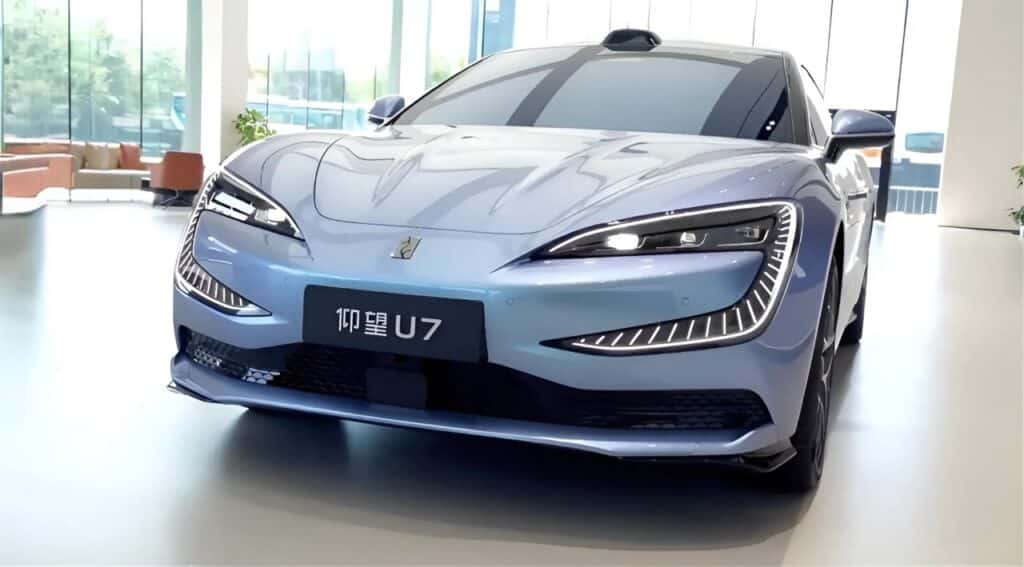
This ultra-luxury electric sedan is confirmed as the first model equipped with the new technology, featuring a driving range of over 1,000 kilometres (621 miles) on the CLTC cycle. Under optimal conditions, the car can be fully charged in 10 minutes.
Denza Z9GT
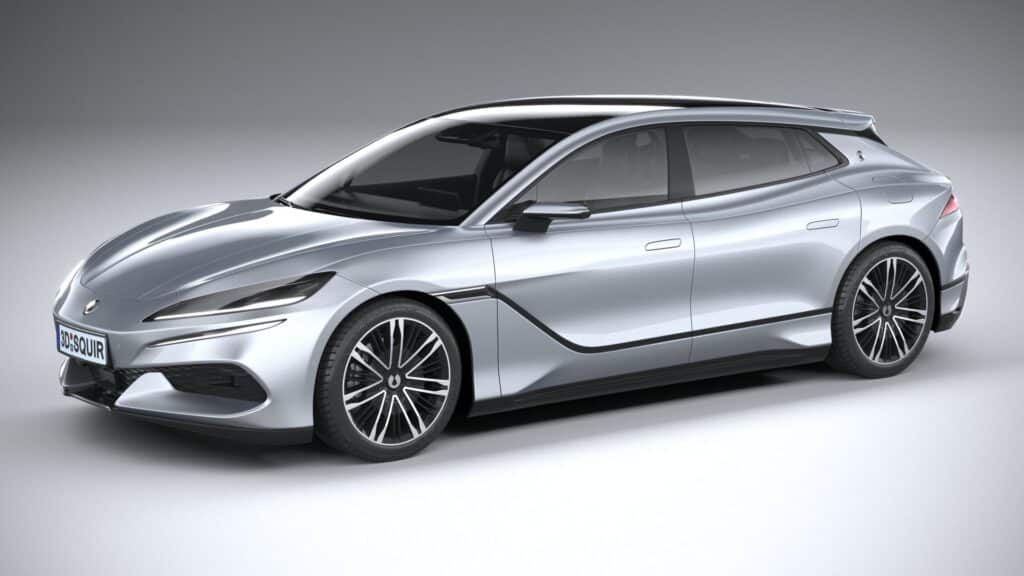
In overseas markets, this posh electric “shooting brake” waggon will be the first, scheduled for release in Europe in April 2026 across three distinct trim levels.
Yuan Plus (Atto 3 outside China)
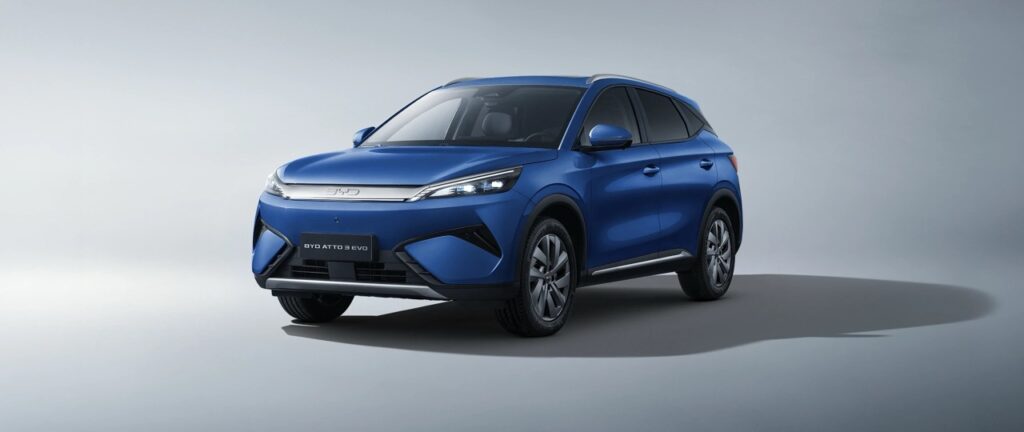
Following the initial rollout, BYD is upgrading its best-selling EVs, like the Atto 3, with two new battery pack options (57.5 kWh and 68.5 kWh) and FLASH compatibility.
BYD’s FLASH Charging system and Blade Battery 2.0 could mark one of the most important shifts yet in the EV market: charging that feels less like waiting around and more like refuelling a petrol vehicle. But availability will determine if this becomes a turning point or just another impressive laboratory-to-luxury-car headline.
For now, BYD has sent a clear message to the industry: range anxiety and slow charging are no longer excuses.
The next battle is going to be price, infrastructure, and whether ordinary drivers – not only early adopters with deep pockets – can actually access this new generation of fast-charging electric mobility.



1 thought on “BYD’s Five-Minute Charging Breakthrough: Blade Battery 2.0”